E-Waste Management & Awareness
E-Waste Management & Awareness
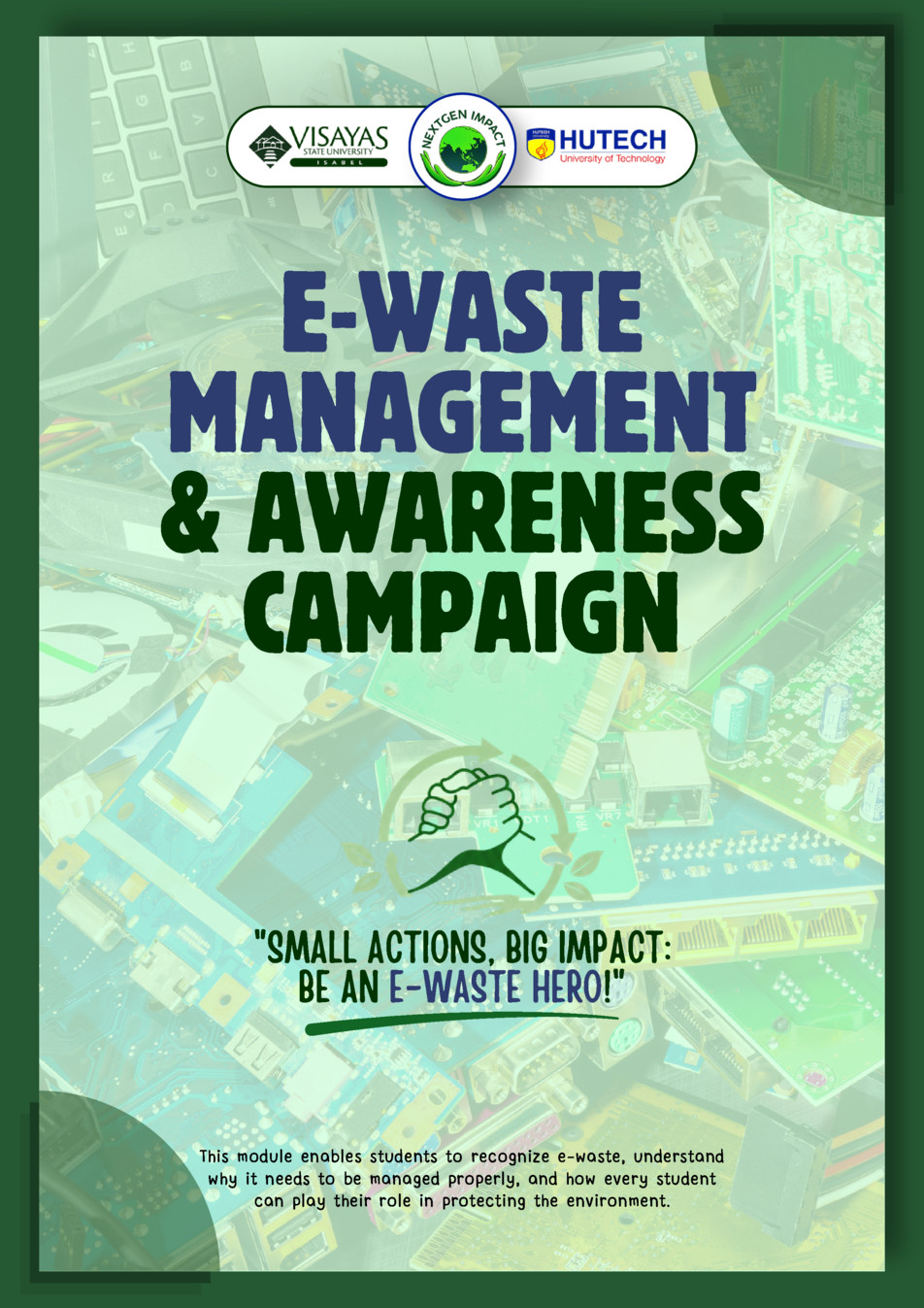
E-Waste Management & Awareness Campaign: Small Actions, Big Impact – How Students Can Recognize, Handle, and Protect the Environment
Overview of the campaign and learning objectives
The initiative introduces learners to electronic waste (e-waste), outlining why it requires special handling and how each student can contribute to safeguarding health and ecosystems. The program frames e-waste awareness as a practical, action-oriented effort that empowers individuals to participate in sustainable practices, from recognizing what qualifies as e-waste to choosing appropriate disposal pathways. It emphasizes that responsible choices, even at a small scale, aggregate into meaningful environmental protection and public health benefits. (Page: N/A)
Framing the lesson around practical questions and everyday habits
At the heart of the module is a case-based segment featuring Mia’s lesson, which highlights why ordinary trash is not a suitable destination for electronic devices. The focus is on shifting mindsets from convenience to responsibility, encouraging students to pause before discarding and to consider the long-term consequences of improper disposal. The aim is to cultivate a habit of evaluating whether a device can be reused, repaired, donated, or needs to be responsibly recycled instead of tossed away. (Page: N/A)
What constitutes e-waste and why it matters
E-waste refers to electrical and electronic products that have reached the end of their useful life, become obsolete, or are no longer wanted, even if they appear usable. The category covers items that no longer function or have outlived their usefulness, requiring careful handling to prevent harm to people and the environment. The concept encompasses a wide range of devices and components that contain materials warranting specialized reuse or recycling streams. (Page: N/A)
Common items that fall into the e-waste category
Examples commonly considered e-waste include devices that are damaged, outdated, or unused, such as mobile devices with screens or circuitry that no longer operate, chargers and cables, audio accessories like headsets, batteries, keyboards and mice, handheld calculators, radios and speakers, remote controls, and flashlights. Recognizing these categories helps people sort items accurately and directs them toward the appropriate disposal channel. (Page: N/A)
Important reminder about what can be e-waste
A key caution is that any item containing a battery, a plug, or that relies on electricity should be treated as potential e-waste. Because electronics may carry hazardous materials, improper disposal can threaten health and contaminate the environment, making proper collection and recycling essential. (Page: N/A)
Why proper e-waste disposal matters
Handling e-waste correctly reduces risks associated with toxic substances, heavy metals, and other hazardous components found in many electronic products. Proper disposal supports safer recycling processes, helps recover valuable materials, and minimizes pollution that can affect soil, water, and air quality. By following best practices, communities lower exposure to contaminants and promote a healthier future. (Page: N/A)
Guidelines for segregation and storage
To manage e-waste effectively, it’s important to organize items before they leave the home or classroom, ensuring they are kept separate from ordinary trash. Storing e-waste in a dry, dedicated area away from food and general waste reduces the risk of leaks or accidental contamination. Keeping items intact and clearly separated aids in efficient handling by recyclers and prevents cross-contamination with other waste streams. (Page: N/A)
First step: Ask before you discard
A practical rule is to examine whether a device still works before deciding to discard it. This simple question helps determine if it can be reused, donated, or repaired rather than immediately sent to an e-waste bin. If the device remains usable, sharing it with others or fixing it extends its life and reduces material waste. (Page: N/A)
If it still works: reuse, donate, or repair
When a device is still functional, the best option is to maximize its lifespan. Consider passing it on to someone who can use it, donating it to a school or charity, or pursuing repair services that restore full operation. Extending the life of electronics reduces the demand for new devices and lowers the environmental footprint associated with manufacturing and disposal. (Page: N/A)
If it doesn’t work: how to dispose responsibly
If an item is beyond practical repair or reuse, place it in the designated e-waste collection channel rather than mixing it with regular trash. This ensures that hazardous components are managed safely by specialists and that recoverable materials are sorted for recycling. Proper placement is essential to prevent contamination of other waste streams and to support effective processing. (Page: N/A)
Storage and handling guidelines for e-waste
Store e-waste in a dry, dedicated space and keep it separate from food, liquids, and everyday garbage. Avoid burning, burying, or crushing electronic devices or batteries, as these actions can release dangerous substances and create environmental and health hazards. When repurposing isn’t an option, prioritize repair or recycling to recover materials and minimize waste. (Page: N/A)
Repair, recycling, and the principle of reducing waste
Where possible, repairing electronics is preferred to disposal, as it preserves resources and reduces the need for new production. If repair isn’t feasible, recycling becomes the next best choice, enabling the recovery of valuable materials and preventing contaminants from entering ecosystems. The overarching goal is to minimize waste and extend the useful life of devices through thoughtful maintenance and responsible end-of-life options. (Page: N/A)
Matching items to the correct e-waste streams
To streamline collection, items should be directed toward the appropriate e-waste box or stream. Typical categories include a box for small electronics, a box for batteries, a box for accessories, and a mixed e-waste box for items that don’t neatly fit into a single category. Correct sorting ensures that each item is processed by the most suitable recycling process, maximizing material recovery and safety. (Page: N/A)
Check Your Understanding: paraphrased assessment prompts
In assessing knowledge, learners are prompted with questions that explore the definition of e-waste, the proper disposal steps for a broken phone, examples of true e-waste, best practices before discarding an old device, and the rationale for responsible e-waste handling. The intended outcome is for students to distinguish between ordinary trash and e-waste, recognize the right disposal actions, and articulate why protecting health and the environment matters. (Page: N/A)
Campaign framing and actionable takeaways
The campaign embodies the message Small Actions, Big Impact: be an e-waste hero, encouraging students to adopt daily habits that contribute to a safer, cleaner environment. By recognizing e-waste, selecting appropriate disposal routes, and promoting reuse and repair, learners become active stewards of resource conservation and public health. The program stresses that collective effort—from individuals to communities—drives meaningful change in how society manages electronic devices. (Page: N/A)