MMA MAGAZINE DIGITAL
MMA MAGAZINE DIGITAL
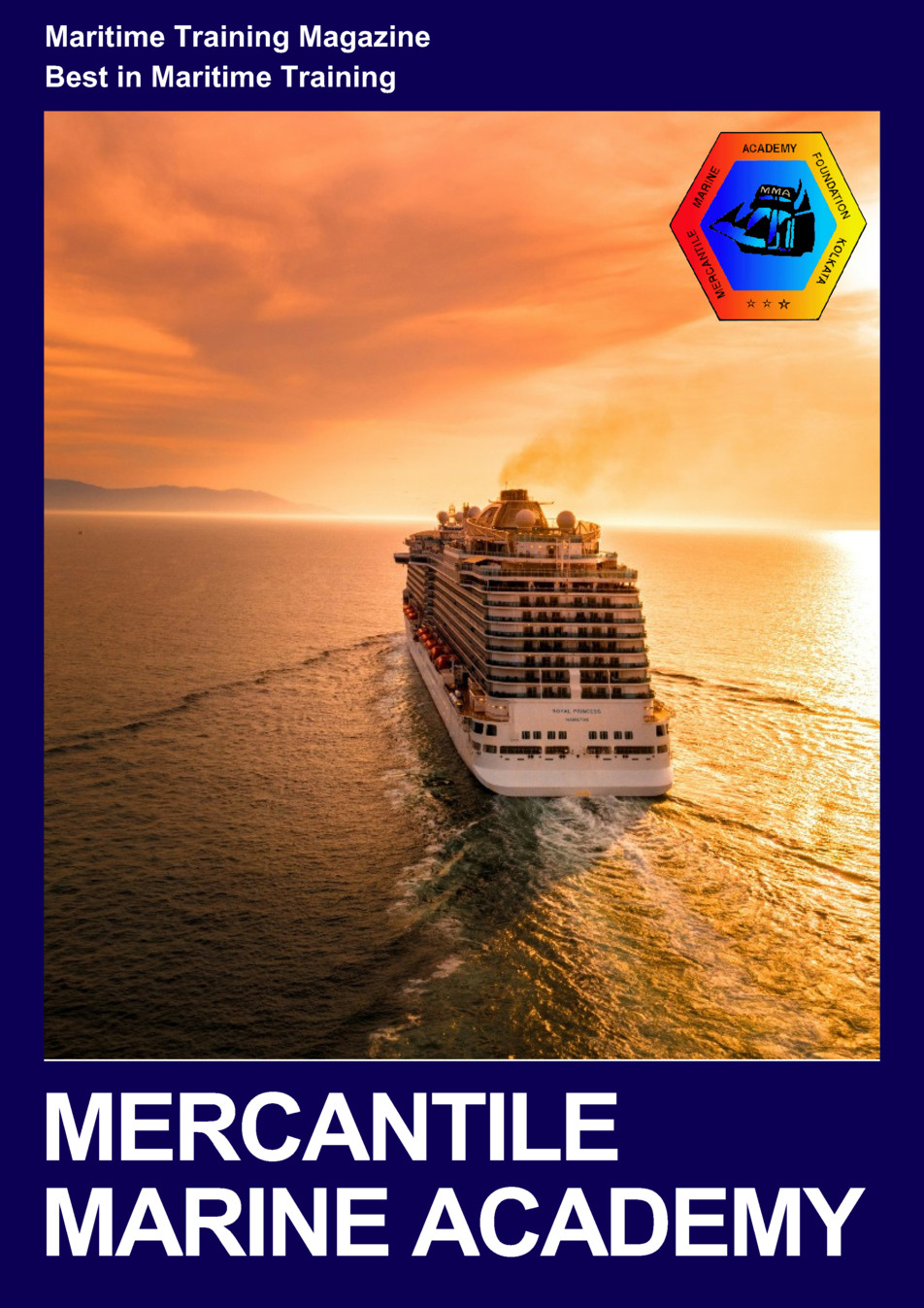
Mercantile Marine Academy — MMA Magazine Summary
Overview of MMA and the Magazine's Focus
The MMA Magazine Digital edition positions Mercantile Marine Academy (MMA) as a leading voice in maritime training, highlighting a long-standing commitment to education that meets and often exceeds international benchmarks. The publication reflects MMA’s emphasis on blending rigorous learning with practical preparation for seafaring life, and it signals the institution’s ongoing drive to innovate and elevate standards in the maritime sector.
Director’s Perspective and Vision
The Director’s note underscores MMA’s pride in shaping the global seafaring workforce since its inception in 1998. It emphasizes a steadfast dedication to delivering high-quality maritime education and training that align with international norms while remaining adaptive to industry evolution. The message calls for continual innovation, upgrading of curricula, and the cultivation of essential traits—skills, discipline, and resilience—that enable graduates to excel on the world’s oceans, thereby extending MMA’s legacy through successive generations of professionals.
Principal’s Perspective and Educational Philosophy
The Principal’s message centers on nurturing not only capable seafarers but also responsible global citizens within the maritime domain. It highlights a commitment to quality education, rigorous training, and the cultivation of discipline, teamwork, and professionalism. As the maritime industry becomes more dynamic and challenging, MMA aims to prepare students to seize opportunities with confidence and competence, inviting aspiring seafarers to leverage the academy’s resources and expertise to sustain a tradition of excellence at sea.
Why Choose Mercantile Marine Academy?
Established in 1998, MMA is presented as the oldest maritime training institution in Eastern India and in Kolkata, with a track record of issuing a vast number of certificates across various courses. The governance comprises senior engineers and master mariners who bring years of sailing and teaching experience, reinforcing a culture of quality and excellence in maritime training. The faculty features seasoned chief engineers and master mariners who have dedicated themselves to training thousands of seafarers and earning widespread trust from administrations and the industry alike. The magazine articulates MMA’s legacy, its adherence to safety, and its ongoing collaboration with the broader maritime community.
institutional Platform and Standards
The publication positions MMA within the international maritime ecosystem, showcasing how its courses align with Standards of Training, Certification and Watchkeeping for Seafarers (STCW) and other global benchmarks. It emphasizes safety and professional growth, underscoring MMA’s role as a conduit between the academy and the global shipping industry, and highlighting the academy’s range of courses approved by the Directorate General of Shipping (DGS).
Campus Experience and Real-World Readiness
The magazine notes that the MMA campus offers more than classrooms and simulators: it features recreation zones and safety drill grounds designed to provide hands-on training in a professional yet comfortable environment. This setup reflects MMA’s philosophy of balancing theoretical knowledge with practical readiness, ensuring students are prepared for real-world maritime challenges while maintaining a conducive learning atmosphere.
Facilities and Campus Life
MMA’s Kolkata campus is described as modern and well-equipped, featuring advanced simulators, spacious classrooms, and dedicated areas for practical training. The institutional emphasis on shipboard simulations and safety drills illustrates a comprehensive approach to mariner education, reinforcing the academy’s commitment to excellence, professionalism, and the seafarer’s development journey.
Curriculum and Courses on Offer
The catalog highlights a comprehensive lineup of courses, beginning with Cruise Ship Management, which comprises a four-course suite designed to integrate safety and security training with seafaring operations. The program includes components such as Basic Safety Training, Security Training for designated duties, Passenger Safety and Training, and various refresher and English-language modules tailored to maritime contexts. The curriculum also covers high-voltage safety and switchgear at both management and operational levels, engine room simulator training for different competency tiers, medical first aid, ship security officer duties, and specialized cargo operations for oil and chemical tankers. Each course is associated with specific durations and aims to prepare seafarers for certification and ongoing professional development, in line with STCW requirements and ISPS-based security considerations.
Beyond the Cruise Ship Management bundle, MMA’s offerings encompass advanced simulator-based engine room training, high-voltage safety management, emergency response, medical first aid refreshers, and other essential courses that support careers across deck, engine, and safety roles. The program structure reflects a holistic approach to maritime education, combining theoretical foundations with practical drills, assessments, and scenario-based learning to ensure graduates are ready for the dynamic demands of modern shipping.
Campus Highlights and Resources
In addition to its academic programs, MMA emphasizes a well-rounded campus experience that includes state-of-the-art simulators, robust safety drill infrastructure, and facilities designed to mirror real-world shipboard environments. This emphasis on immersive training supports the academy’s goal of producing competent professionals who can perform effectively under pressure while upholding safety and professional standards across the maritime industry.
Summary of Key Points from MMA Magazine
The Mercantile Marine Academy’s publication presents a coherent picture of an institution with a long-standing commitment to maritime education, strong leadership, and a robust course portfolio aligned with international standards. It highlights the strategic emphasis on safety, discipline, professionalism, and continuous improvement, as well as the importance of practical, hands-on training through modern facilities and simulators. The content underscores MMA’s role as a bridge between academic training and the global maritime workforce, aiming to produce graduates who are prepared to excel aboard ships and contribute to the safety and efficiency of seafaring operations.
Key Takeaways
- MMA positions itself as alegacy-driven, safety-focused maritime education hub in Eastern India, with a broad track record of certificates and industry trust.
- The academy emphasizes a holistic learning approach that blends rigorous classroom work, hands-on simulations, and real-world drills to cultivate capable, disciplined seafarers.
- Course offerings span comprehensive cruise ship management and a suite of STCW-aligned programs, including specialized safety, security, engine room, and medical trainings designed to meet international standards.