SDG 15-Magazine
SDG 15-Magazine
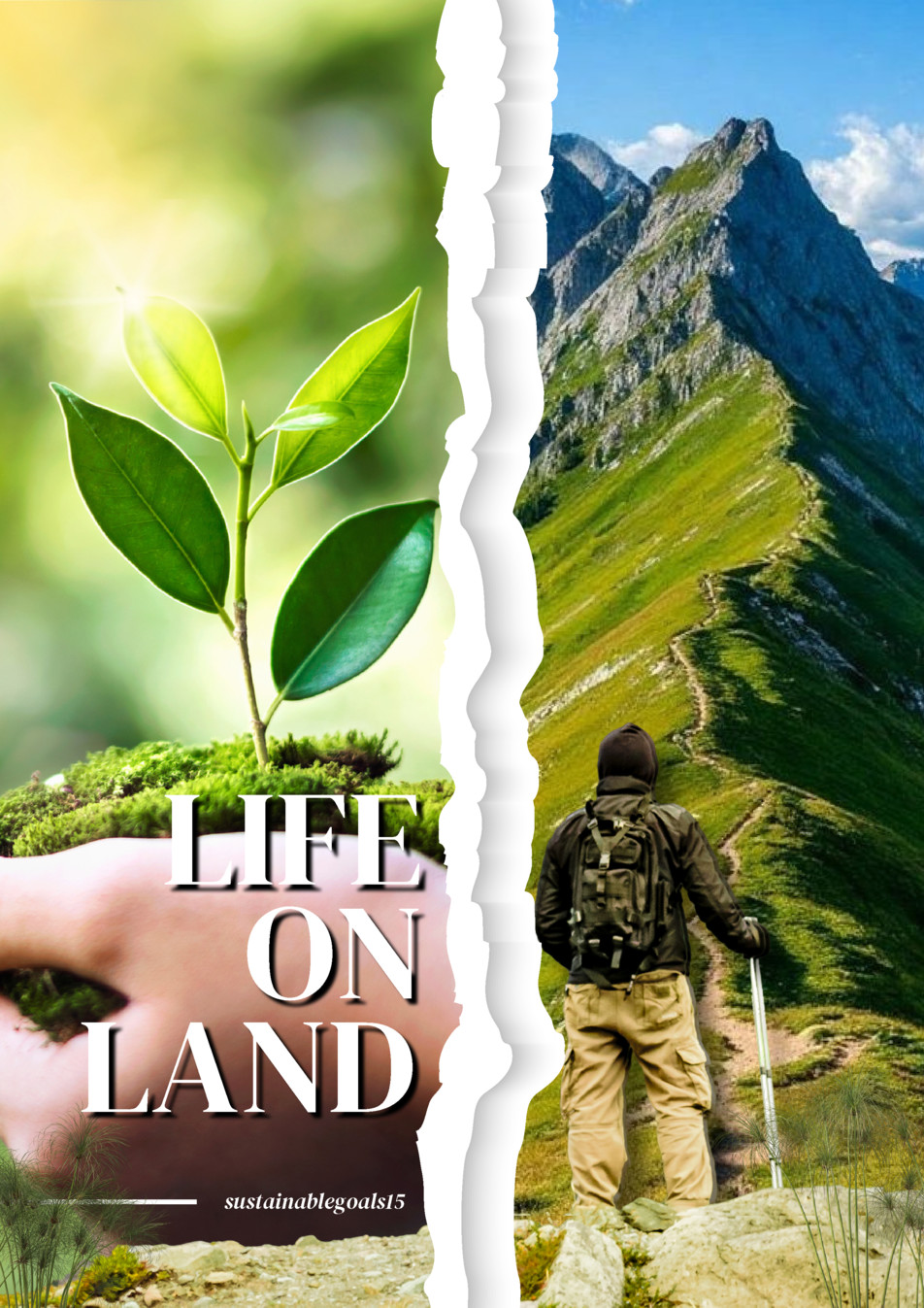
SDG 15 Magazine LIFE ON LAND
1 Amazing Facts About Life on Land (SDG 15)
Protecting life on land involves safeguarding forests, wildlife, plant communities, and entire ecosystems that keep our planet livable. These natural systems are not distant from us; they supply the air we breathe, the food we eat, and the resources we rely on every day. This is why SDG 15, commonly called Life on Land, is essential for ensuring a healthy Earth for both current and future generations. (Page: 1)
Forests host the vast majority of land-based species, with roughly four-fifths of terrestrial animals, plants, and insects living in woods. These habitats supply shelter, sustenance, and breeding grounds for countless organisms. When forests disappear, many species lose their homes and struggle to survive. (Page: 1)
Each year, millions of hectares of forest vanish due to deforestation, agricultural expansion, and urban growth. This loss contributes to climate change, declines in biodiversity, and land degradation. (Page: 1)
The Philippines stands out as a biodiversity hotspot, with a very high number of unique species found nowhere else on Earth. The country’s forests and wildlife underline the importance of protecting Life on Land as part of the global effort led by the United Nations to conserve terrestrial ecosystems, restore degraded lands, and ensure sustainable use of natural resources for human needs without harming the environment. (Page: 1)
Healthy soil is the foundation of food production, supporting roughly 95% of the world’s crops. However, soil degradation caused by deforestation, pollution, and unsustainable farming threatens global food security and the stability of food systems. (Page: 1)
2 Protecting Life on Land: A Voice from the Field
SDG 15, or Life on Land, centers on protecting all living beings on Earth—plants, animals, forests, and natural habitats—by encouraging a respectful and compassionate approach to nature, treating all living things as part of our extended family. (Page: 2)
Protecting life on land matters because everything is interconnected; clean air, fresh water, food, and even our clothing rely on a healthy planet. Safeguarding the Earth is not optional but essential for human survival. (Page: 2)
Local projects illustrate the impact of restoration: a former golf course is being transformed back into natural habitats such as chalk grassland, which has sparked a resurgence of insects, birds, and bats, demonstrating that restoring nature can revive biodiversity. (Page: 2)
A notable hero is Nemonte Nenquimo from the Waorani in the Ecuadorian rainforest, who protected her community’s lands from oil development by raising global awareness. Her example shows how individual courage can drive meaningful conservation action. (Page: 2)
Every person can contribute by stepping outside to observe the surrounding nature, planting native or pollinator-friendly species, and embracing small everyday actions that collectively advance Life on Land. (Page: 2)
3 The Voice of Nature: The Wisdom of Mahatma Gandhi
Long before modern climate discussions, Mahatma Gandhi advocated simple living and reverence for the natural world. He believed humanity should live in harmony with ecosystems and treat all living beings with respect. (Page: 3)
Gandhi saw nature and resources as a shared trust, urging responsible consumption and ethical stewardship that extends beyond political action into daily life. His ideas remain relevant to SDG 15, which seeks forest protection, land restoration, and biodiversity preservation. (Page: 3)
One of Gandhi’s enduring messages is that Earth provides enough for everyone’s needs, but not everyone’s greed. This insight warns against overconsumption and unsustainable practices that threaten ecosystems. (Page: 3)
Today’s environmental challenges—deforestation, wildlife extinction, and land degradation—echo Gandhi’s warnings, guiding contemporary sustainability efforts toward more mindful resource use and habitat protection. (Page: 3)
Gandhi’s philosophy continues to inspire movements that emphasize ethical responsibility, simplicity, and respect for life, aligning with global sustainability goals. For students and young people, his message reinforces that protecting nature is a shared duty of individuals as well as governments and organizations. As society pursues sustainability by 2030, daily choices around conserving resources, respecting wildlife, and protecting forests help advance Life on Land. (Page: 3)
Even after more than a century, Gandhi’s voice resonates in ongoing conversations about environmental protection, reminding us that caring for the planet is care for ourselves and future generations. (Page: 3)
4 The Philippines: A Biodiversity Hotspot
The Philippines ranks among the world’s megadiverse regions, hosting tens of thousands of described species, with about half of them endemic—that is, found nowhere else. Its geography, with more than 7,600 islands, enables species to evolve in isolation, creating extraordinary diversity in both land and sea. (Page: 4)
The nation’s marine realms are equally remarkable, including the Verde Island Passage, recognized as a center of marine biodiversity due to its exceptional concentration of life. (Page: 4)
Despite this richness, many species face threats from habitat loss, deforestation, and illegal hunting. Island ecosystems are particularly vulnerable because they have limited space and delicate ecological balance, making populations susceptible to disease and environmental change. (Page: 4)
Iconic species such as the Philippine eagle are losing forest habitat, while ecosystems like Lake Lanao suffer from non-native species. Smaller, isolated populations like the Tamaraw are especially prone to decline. Strengthening conservation laws, promoting sustainable practices, and raising public awareness are crucial to ensure these unique species thrive for future generations. (Page: 4)
5 The Philippine Eagle: A National Symbol
The Philippine eagle is a beacon of the country’s forests and was declared the national bird in 1995, reflecting its significance for biodiversity. Yet, in the wild it faces extreme danger, with fewer than 400 breeding pairs remaining according to the Philippine Eagle Foundation. (Page: 5)
This formidable raptor can reach about three feet in height with a wingspan near seven feet, and it wears a distinctive crest atop its head. It possesses keen eyesight and powerful claws, making it a top predator that helps maintain healthy forest ecosystems. (Page: 5)
Endemic to the Philippines, its range includes islands such as Luzon, Samar, Leyte, and Mindanao. Ongoing threats from logging, agricultural expansion, and hunting endanger nests and reduce populations. (Page: 5)
Conservation efforts include rescue and breeding programs led by organizations like the Philippine Eagle Foundation, which have raised dozens of chicks and established sanctuaries to protect nesting sites. Local guardians like Bantay Bukid monitor nests. Legal protections exist, but more funding and enforcement are needed to secure the eagle’s future. (Page: 5)
Protecting the Philippine eagle is vital because it sits atop the forest food web and plays a key role in maintaining healthy ecosystem dynamics; its decline would reverberate through the broader habitat. International partnerships recognize the species as a symbol of forest conservation, underscoring the broader importance of preserving the Philippines’ natural heritage. (Page: 5)
6 Tamaraw: The Fierce Dwarf Buffalo of Mindoro
The Tamaraw is a small, sturdy buffalo endemic to Mindoro, celebrated for its distinctive size and resilience. It plays an important ecological role, yet it is critically endangered due to ongoing habitat loss, hunting pressures, and disease. (Page: 6)
Efforts to conserve Tamaraw populations combine habitat protection with community engagement aimed at reducing poaching and human–wildlife conflict, supporting its continued presence in Mindoro’s landscapes. (Page: 6)
7 Farming Friends of Philippines Forest
Smallholder farmers and agroforestry practices are presented as allies of forest conservation, blending crop production with tree cover to sustain soil health, biodiversity, and livelihoods. (Page: 7)
Programs encourage farmers to adopt shade-grown crops, diversify species, and maintain hedgerows that support wildlife and soil function, contributing to SDG 15 while strengthening rural resilience and incomes. (Page: 7)
8 Green Roots Rising: Tree Warriors Weed the Way to SDG 15 Glorynesia
Community-driven tree-planting groups, such as Tree Warriors, actively restore forested lands and promote biodiversity, prioritizing native species to rebuild ecological networks. (Page: 8)
These initiatives emphasize reforestation, restoration of degraded land, and broad public engagement to inspire wider participation in forest protection, including projects that highlight species like Glorynesia. (Page: 8)
9 Flowchart
This section features a visual flowchart that outlines the path toward meeting SDG 15 targets—from policy and governance to local action and citizen involvement. (Page: 9)
10 Crossword Puzzle
The crossword puzzle provides an interactive exercise to reinforce knowledge about Life on Land, biodiversity, and conservation concepts, encouraging readers to engage with the material in a playful way. (Page: 10)
11 Contributors
Credits are given to editors, researchers, partner organizations, and experts who contributed to the magazine and its Life on Land content. (Page: 11)
12 References
The references list sources and further reading on SDG 15, Philippine biodiversity, and forest conservation for readers seeking deeper information. (Page: 12)