Be a Durga Handbook
Be a Durga Handbook
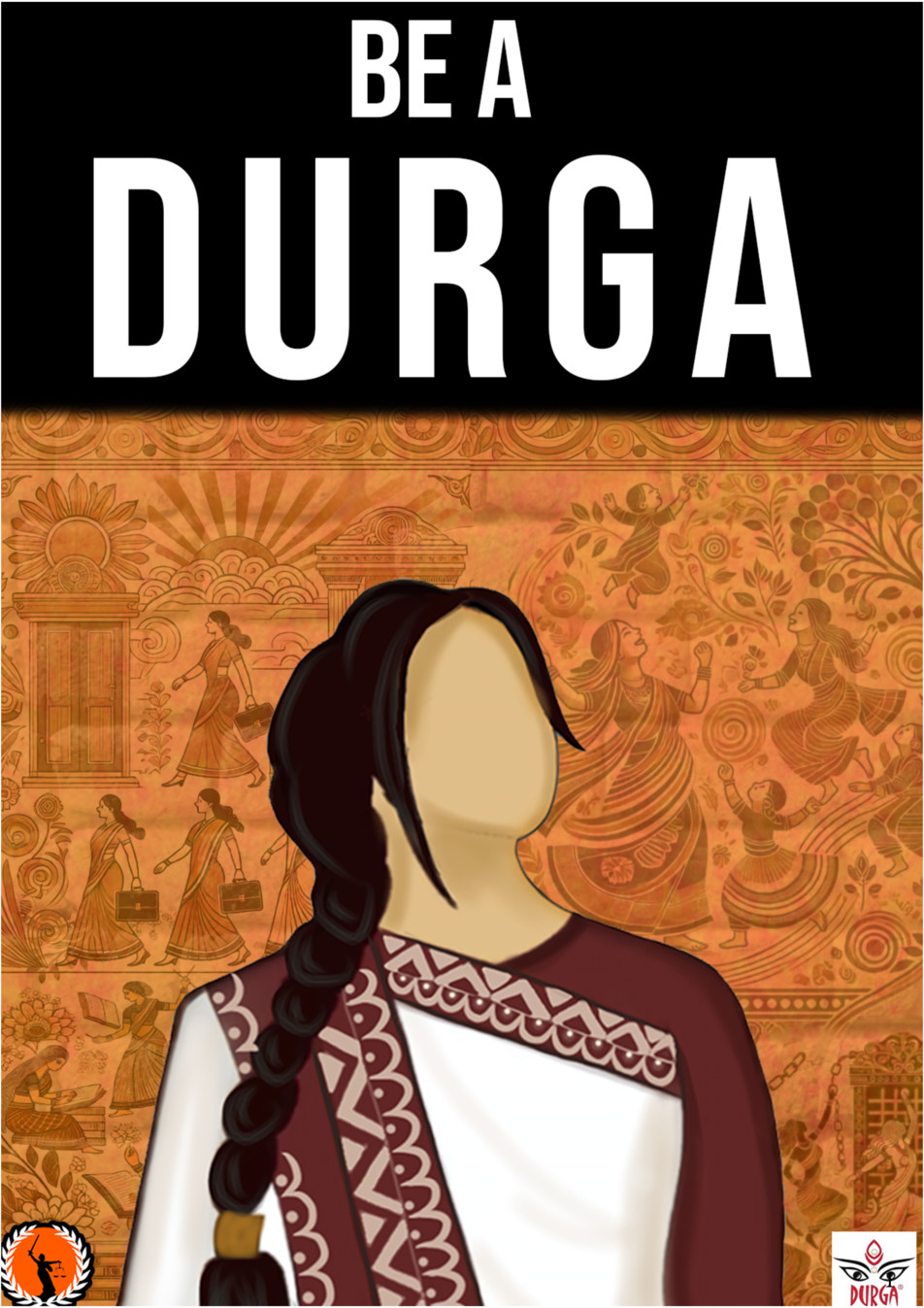
Be a Durga Handbook: A Practical Guide to Understanding Rights Against Violence and Self-Protection
Overview
The Be a Durga Handbook opens by recognizing the frequent harassment women encounter across streets, parks, and various spaces, and it acknowledges that while laws exist and support systems are available, many people feel overwhelmed about how to enforce their rights. The booklet positions itself as a practical tool designed to move from awareness to action, offering concrete steps to document incidents, seek assistance, file complaints, and access protective remedies. It emphasizes that no one should endure harassment alone and that informed action can deter future offenses. This introductory section frames the guide as a collaborative effort aimed at making legal rights approachable and actionable for individuals and communities. (p. 1)
The document is the result of a partnership between the Legal Services Clinic at the National Law School of India University (NLSIU) and Durga India, with contributions from a range of experts and volunteers. It expresses gratitude to its mentors, researchers, designers, and institutional sponsors, highlighting that the strength of the resource lies in a shared commitment to legal literacy and empowerment. The aim is to translate complex laws into accessible guidance so readers can protect themselves and others effectively. (p. 2)
Public Sphere
Public-space harassment is mapped through a framework of provisions that address acts aimed at a woman's dignity in public settings. The handbook outlines a suite of offences under the Bharatiya Nyaya Sanhita that cover outraging modesty, sexual harassment, forcing or attempting to disrobe, voyeuristic acts, stalking, and insulting behavior through words or gestures. Each category is explained in terms of what constitutes a punishable act and how it can be addressed through criminal or civil channels. The goal is to help readers recognize which legal provisions may apply to a given incident and how to pursue appropriate remedies. (p. 11)
Filing a complaint for sexual harassment in public spaces is presented as a practical process. The guide emphasizes documenting essential details—dates, times, locations, witnesses, and any evidence—and selecting the proper authority to approach, whether police, prosecutors, or relevant complaint mechanisms. It also signals that many cases can be pursued through workplace or public-institution channels, with the objective of securing timely action and accountability. (p. 12)
The handbook continues by detailing other offences linked to public-space harassment, including voyeurism, stalking, and language or conduct intended to insult a woman's modesty. It explains the diverse forms such behavior can take and the corresponding penalties, while stressing that evidence collection and prompt reporting are key to effective legal recourse. The structure provided by these sections helps readers understand how different harmful behaviors fit within the legal framework. (p. 13)
Workplace sexual harassment is addressed through the Sexual Harassment of Women at Workplace Act (POSH) of 2013, which creates a framework for prevention, protection, and redress within organizations. The handbook outlines employers' responsibilities, the requirement for internal committees and reporting mechanisms, and the avenues for seeking redress if an incident occurs. It underscores that workplaces must foster safe environments and protect complainants from retaliation while ensuring access to remedies. (p. 20)
The guide also covers public interventions in sexual assault cases, stressing the accountability of public servants and the remedies available when authorities fail to respond appropriately. It highlights the importance of prompt, responsible action by law enforcement and other public actors to deter inaction and uphold victims' rights. This emphasis on accountability reinforces trust in public systems and encourages community engagement in seeking justice. (p. 25)
Alongside these measures, the handbook notes that rape remains a criminal offense with clearly defined processes. It outlines how survivors can engage with the justice system, including police involvement and court proceedings, while highlighting protections designed to ensure safety and access to support during the investigation and trial. (p. 27)
Cyber Sphere
The digital realm is addressed with a focus on cybercrime and online harassment. The handbook explains how online offenses are prosecuted under the Information Technology Act and related provisions that cover breaches of privacy, obscene material, and explicit content. It also discusses cyberstalking as a distinct offence under applicable laws, emphasizing that online behavior can have real-world consequences and is subject to investigation and penalties. Readers are guided on evidence gathering for digital offenses and on reporting mechanisms to appropriate authorities. (p. 30-31)
A dedicated section on cyberstalking highlights how persistent online harassment can be addressed through legal channels, including complaints to cybercrime police and protective measures where warranted. The material reinforces that digital behavior is governed by the same commitment to safety as in-person interactions, and it provides practical steps for securing evidence and seeking relief. (p. 33)
The Digital Personal Data Protection Act, 2023 is introduced as a contemporary framework governing the collection, use, and protection of personal data online. The handbook summarizes how this Act strengthens individuals' control over their information and provides remedies when data is mishandled or exploited, complementing cybercrime provisions to bolster online safety. (p. 35)
Domestic Sphere
The Domestic Sphere section centers on protections against violence within intimate or family settings. The Protection from Domestic Violence Act, 2005 (PWDVA) is explained as a mechanism offering relief, support, and protection orders to survivors of domestic abuse, recognizing that threats and harm can extend beyond public spaces. The guide notes that domestic violence can involve physical, emotional, and economic abuse, and it describes how survivors can access shelter, legal remedies, and safety planning. (p. 38)
Dowry-related provisions are discussed as part of a broader framework to deter gender-based violence linked to marriage, including the Dowry Prohibition Act, 1961. The handbook outlines the penalties for dowry demands and related offences, along with how these laws intersect with other protective measures. It clarifies that violations can trigger legal liability for those involved in dowry practices. (p. 43)
Dowry death provisions and related concerns are also covered, outlining the circumstances that lead to criminal liability for those responsible. The material emphasizes that dowry-related harm and fatal outcomes are considered serious offenses, with prosecutorial pathways and remedies aimed at safeguarding survivors and holding perpetrators accountable. (p. 45)
Cruelty by a husband or relatives is addressed as another facet of domestic violence, with explanations of the available legal responses and protective options. The handbook describes how victims can obtain protection orders, seek support services, and pursue justice through the appropriate legal channels. (p. 47)
The Child Marriage Prohibition Act, 2006 is presented as a crucial measure to prevent early marriages and protect the rights and welfare of children. The guide explains the legal age requirements, enforcement mechanisms, and avenues for intervention to shield minors from exploitation and coercion within familial structures. (p. 49)
Protection of Children and Vulnerable Groups
The protection of children is foregrounded through the Protection of Children from Sexual Offenses (POCSO) Act, 2012, which provides a comprehensive framework to safeguard minors from sexual exploitation and abuse. The handbook explains reporting obligations, the roles of law enforcement and judicial authorities, and the penalties for perpetrators, aiming to empower caregivers and communities to respond effectively. (p. 53)
The Immoral Traffic (Prevention) Act, 1956 is discussed as a tool to combat trafficking for commercial sexual exploitation, with guidance on rescue, rehabilitation, and legal action against traffickers. This section underscores the interconnection between child protection, gender-based violence, and broader social safeguards, emphasizing coordinated responses to trafficking scenarios. (p. 56)
Conclusion: Tools and Resources
The concluding sections assemble practical tools and resources designed to support action, including helplines, access to legal aid, and a step-by-step process for reporting crimes. The handbook provides safety tips and bystander intervention strategies to reduce risk and empower bystanders to act effectively when witnessing harassment or violence. It also encourages readers to adopt the Be a Durga ethos in daily life—cultivating peer support, community awareness, and proactive engagement to create safer environments for everyone. (p. 60-62)
Acknowledgements
The Be a Durga handbook credits the Legal Services Clinic at NLSIU, Durga India, and a dedicated team of researchers, reviewers, designers, and volunteers for bringing the project to life. The acknowledgments emphasize collaborative effort, institutional support, and a shared commitment to legal empowerment and women’s safety. The section expresses gratitude to mentors and partners for their guidance, which helped ensure the resource is accurate, practical, and accessible. (p. 6-7)