December 2025 Blotter
December 2025 Blotter
NAHS Blotter December 2025 — A Deep Dive into Community Service, Holiday Traditions, and Student Voices
Volunteer Efforts in New Albany During Thanksgiving
In the midst of the holiday season, the New Albany area mobilizes to support neighbors facing shortages of food, clothing, shelter, and clean water. The rising number of unhoused residents is framed as a consequence of broader economic and policy challenges, underscoring the urgency of local action. Within Floyd County, student groups and community volunteers rally around causes that matter, aiming to ease hardship through sustained service rather than one-off gestures. A prominent example is the Anchor Club, linked to NAHS and other high school programs nationwide, which channels its energy into school-wide and community-oriented service initiatives. For many participants, the commitment to helping others transcends a mere requirement for transcript credits, evolving into a meaningful expression of care and civic responsibility. (p. 2)
Anchors of the program emphasize that the work is not just about fulfilling service hours but about witnessing tangible changes in people’s lives. Students describe the experience as rewarding because they can observe the direct impact of their efforts on individuals—whether through decorating spaces, writing notes of gratitude for teachers, or visiting local care facilities. The sentiment is that stewardship becomes a reciprocal source of meaning, reinforcing a sense of belonging and responsibility within the NAHS community. (p. 2)
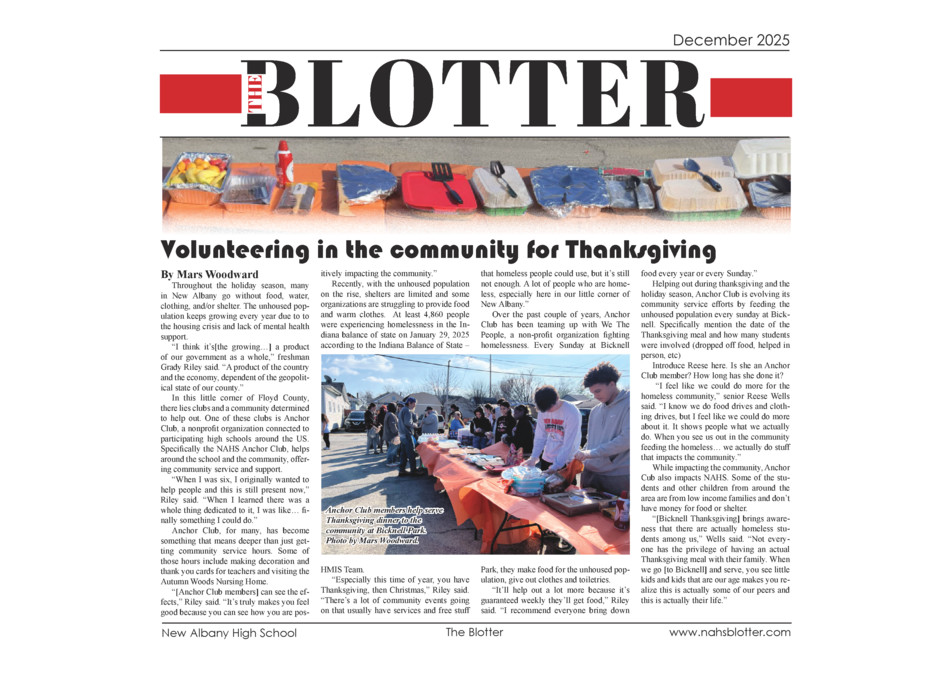
The Anchor Club has partnered with We The People, a nonprofit focused on addressing homelessness, to broaden the scope of their outreach. Every Sunday, club members contribute to a community meal at Bicknell Park, providing meals, clothing, and basic hygiene items to those in need. The collaboration reflects a recurring pattern of giving during the holiday season, a period when service organizations often intensify their efforts. While the article highlights the weekly nature of the meals, it also notes the heightened impact of seasonal programs and the sense of hope they generate among participants and recipients alike. (p. 2)
One key takeaway from the coverage is the evolving role of students in driving community outreach during Thanksgiving and the broader holiday period. The piece features discussions about ongoing service events that blend philanthropy with practical support, illustrating how young people can contribute to a city’s safety net. Although the piece references the challenges faced byShelters and relief networks, it also underscores the resilience and creativity of local youth who organize, staff, and sustain these efforts week after week. (p. 2)
Thankful Thoughts and Thanksgiving Traditions
Beyond service, the issue delves into personal reflections on Thanksgiving, capturing a spectrum of traditions and memories shared by NAHS students. Many students describe Thanksgiving as a time to reconnect with family, indulge in favorite dishes, and relive cherished childhood moments. The nostalgia attached to certain memories—like gathering with extended family, sharing meals, and enjoying favorite holiday treats—adds depth to the holiday’s meaning for these teens. For some, the holiday also evokes a sense of gratitude for opportunities and futures they anticipate, including education and planned careers. (p. 3)
Several students highlight how reunions with relatives and time spent with loved ones anchor their holiday experience. Traditions range from specific family meals to yearly movies or special outings that have become signature parts of their orbit around Thanksgiving. The pieces emphasize that these rituals bridge generations, helping younger family members understand heritage while giving them a sense of continuity and belonging. The overarching theme is that Thanksgiving serves as a moment to pause, reflect, and celebrate the people who shape one’s life. (p. 3)
In personal recollections, there’s a strong thread of gratitude for simple comforts and meaningful rituals. One student notes the joy of reuniting with relatives and the importance of shared experiences that go beyond material abundance. Another recalls special family traditions, such as wearing festive outfits or preserving a favorite dish as a point of pride. Together, these anecdotes portray Thanksgiving as a blend of comfort, connection, and appreciation for both family and community. (p. 3)
Government Funding and the Holidays: A Societal Perspective
The section on government funding examines how federal programs intersect with holiday life, especially when budgets collide with the seasonal demand for assistance. It references a government shutdown and the subsequent restoration of crucial supports, underscoring the fragility of safety nets during times when households rely most on stability. The article cites national statistics on the number of people who rely on ongoing government assistance to buy essentials like food and housing, putting a human face on policy debates. (p. 3)
A variety of local voices weigh in on the issue, emphasizing that sustained funding makes a tangible difference for families throughout the year, not merely during holidays. Some argue that while welfare programs can be misused, the overarching goal should be to ensure that vulnerable households can meet basic needs and avoid slipping further behind during cold months. The piece also points to the hardships that emerge when benefits are interrupted, including increased risk of hunger, housing insecurity, and emotional stress. (p. 3)
Several advocates in the article outline practical ways for the community to respond when government support is at risk or temporarily unavailable. They encourage charitable giving, volunteering at shelters, donating coats and clothing, and coordinating gift drives designed to support families during winter. The Salvation Army’s Angel Tree program and other local initiatives are highlighted as concrete mechanisms through which people can participate in alleviating hardship and spreading holiday generosity. (p. 3)
What Makes a Holiday Movie the Best? A Student Perspective
Turning to popular culture, a feature essay explores what elements elevate a holiday movie into a quintessential favorite. The analysis highlights that movies about Christmas, at times, hinge on nostalgia, family bonds, and the emotional resonance that lingers long after the credits roll. A well-perceived holiday film often stirs feelings of kindness, hope, and togetherness, which helps explain why certain titles become annual viewing staples for families and friends. (p. 4)
The discussion also notes the importance of originality in a film’s plot and characters. When a story offers fresh twists or a memorable ensemble, it stands out from repetitive holiday clichés and earns a lasting place in viewers’ hearts. The ability of a movie to be relatable and specific to personal experiences—while still feeling universal—helps it endure across generations. (p. 4)
Finally, the piece argues that lasting appeal often depends on rewatchability and quotability. A film should invite repeated viewing and generate lines or moments that become familiar touchstones in holiday conversations. The result is a blend of emotional depth, distinct storytelling, and shareable moments that keep audiences returning each year. (p. 4)
Contenders for the Best Holiday Film
Among the films cited as strong contenders are several perennial favorites that demonstrate why the genre endures. How the Grinch Stole Christmas (2000) is praised for its emotional arcs and a transformative journey from isolation to generosity, anchored by a memorable moral about the true meaning of the season. The movie’s imaginative tone and family-friendly humor contribute to its enduring appeal and its status as a reliable option for family movie nights. (p. 4)
Love Actually stands out for weaving multiple storylines into a tapestry that explores love in its many forms during the holidays. Its diverse cast and shifting emotional tempo—from lighthearted to poignant—offer a rich viewing experience that invites discussion about human connections and the complexities of relationships during festive times. (p. 4)
The Polar Express is highlighted for reigniting childhood wonder and presenting a tale about belief, courage, and the magic of Christmas through standout animation and a sense of discovery. Its emphasis on faith and personal growth resonates with audiences seeking warmth and hope. (p. 4)
The Nightmare Before Christmas earns its place for its distinctive aesthetic and unusual fusion of Halloween and Christmas, delivering a brave reimagining of holiday spirit through bold visuals and a unique soundtrack. Its originality makes it a memorable pick for those craving something a little different in a Christmas lineup. (p. 4)
National Lampoon’s Christmas Vacation is celebrated for its sharp humor and honesty about family dynamics during the season. Its quotable exchanges and relatable chaos offer comic relief while still touching on the pressure to achieve a flawless holiday experience. (p. 4)
Home Alone is remembered for its inventive premise, clever stunts, and a strong emotional throughline about family. Its combination of action, humor, and sentimentality has kept it in rotation for many households who value both excitement and warmth during the holidays. (p. 4)
The Santa Clause is noted for reimagining a familiar myth with a modern twist, blending humor with heart as a father-child relationship evolves in step with the magical circumstances. The film’s recognizable appeal helps keep it a staple of holiday viewing traditions. (p. 4)
The Search for Santa Paws is recognized for its charm—especially among younger audiences—and its gentle emphasis on kindness, friendship, and the sense of wonder that accompanies holiday adventures. Its simplicity and heartwarming tone contribute to its ongoing appeal. (p. 4)
Fall Versus Winter: Student Debates
As the days shorten and the season shifts, students voice varied preferences between autumn and winter. Many associate fall with a comfortable ambiance, vivid foliage, and a preference for relaxed, cozy activities that are still gentle on the nerves. The sense of warmth from indoor gatherings, films, and conversations often colors fall as the favored season for social moments and fashion. (p. 5)
Winter, however, has its devoted supporters who relish holiday magic, seasonal food, and the occasional snow day. The prospect of festive celebrations, decorating, and family time can make winter feel special and intimate, even for those who typically prefer milder weather. In some students’ eyes, winter carries an emotional resonance linked to traditions and heartfelt moments with loved ones. (p. 5)
These opinions reflect the broader social landscape where people’s favorites are influenced by personal experiences, family rituals, and the ways holidays shape daily life. For many, the choice is less about climate and more about what makes them feel connected, grounded, and uplifted during the season. (p. 5)
Holiday Music, Theatre, and the Mini Musical
A dedicated feature spotlights a local initiative from the NAHS theatre program: the annual Mini Musical performed during the holiday season. The production is a collaboration between two Musical Theatre classes and is directed by the department head. The show, written by the students themselves, is designed to entertain younger audiences across districts while conveying a message of self-acceptance and resilience. (p. 6)
Students describe a collaborative and iterative creation process that included multiple script drafts, group feedback sessions, and input from a visiting playwright who helped shape the final version. The approach valued everyone’s voice, ensuring that each character had a purpose and every scene contributed to the overarching theme. This year’s process benefited from two classes working in tandem, which required careful coordination and communication to produce a cohesive performance. (p. 6)
The Mini Musical typically tours a broad network of elementary and middle schools before culminating back at NAHS for a showcase with peers. Scheduling challenges, such as snow days, occasionally interrupt the tour, but the ensemble remains committed to delivering an entertaining and uplifting experience for students across the district. The joy of performing for children and the smiles it brings to audiences are highlighted as some of the most rewarding aspects of the project. (p. 6)
Even with the logistical hurdles, the students express excitement about rehearsals and performances because they provide a meaningful opportunity to collaborate, create memories with friends, and share holiday cheer with younger fans. They note how the process encourages teamwork, creativity, and a sense of belonging within the theatre community. (p. 6)
Christmas Traditions, Gratitude, and Cultural Roots
As the holidays approach, students share diverse traditions rooted in their family cultures and faiths. For some, Christmas is a deeply religious celebration with late-night customs and family rituals, while for others it is a time for shared meals, music, and community gatherings. The narrative demonstrates how global backgrounds enrich the NAHS community, bringing a mosaic of practices and foods that underscore the universality of joy, gratitude, and togetherness. (p. 7)
Stories from students with Latin American, Caribbean, and Mexican backgrounds highlight distinctive practices—such as late-night gift exchanges, special meals, and religious observances—that connect them to their heritage. They describe signature dishes, songs, and public celebrations that illuminate the season’s meaning beyond commercial norms. The common thread across these accounts is a focus on family ties, generosity, and a sense of gratefulness for the opportunities they have to celebrate with loved ones. (p. 7)
Other students share memories rooted in their own geographic traditions, including church attendance, visits to grandparents, or festive foods that mark the season in unique ways. The recurring motif remains clear: Christmas is a time to honor family heritage, express gratitude for care and support, and participate in rituals that anchor personal and communal identity. The article emphasizes that these varied customs enrich the school community by offering different lenses through which to view the holidays. (p. 7)
In sum, the compilation of personal recollections reveals a broader lesson about cultural diversity and shared humanity. Although traditions differ—from midnight gift openings to nativity celebrations—each story reinforces the belief that the holiday period is a chance to slow down, reflect, and give back to others. The NAHS community emerges as a microcosm where multiple backgrounds converge to illuminate common values: gratitude, love, and the strength of coming together. (p. 7)
Concluding Reflections: The Holiday Spirit in NAHS
Taken together, the December 2025 Blotter portrays a school community that channels generosity into concrete acts of service while also celebrating the rich tapestry of holiday customs that students bring with them. Whether participating in weekly meals for the unhoused, engaging in thoughtful gift drives, or staging a student-produced musical, NAHS students illustrate how youth can lead meaningful change during a season that invites giving and reflection. The reportage frames these efforts not as isolated events but as parts of a broader culture of care that resonates through classrooms, hallways, and local neighborhoods. (p. 7)
Ultimately, the issue invites readers to consider their own role in supporting neighbors, sustaining traditions, and cherishing the moments that connect families and communities during the holidays. The cumulative effect is a sense of shared responsibility and optimism about what can be achieved when young people organize with empathy and purpose. By foregrounding real stories, practical programs, and personal memories, the Blotter offers a portrait of December that emphasizes action, gratitude, and the enduring power of community. (p. 7)