LBHS Magazine 2025
LBHS Magazine 2025
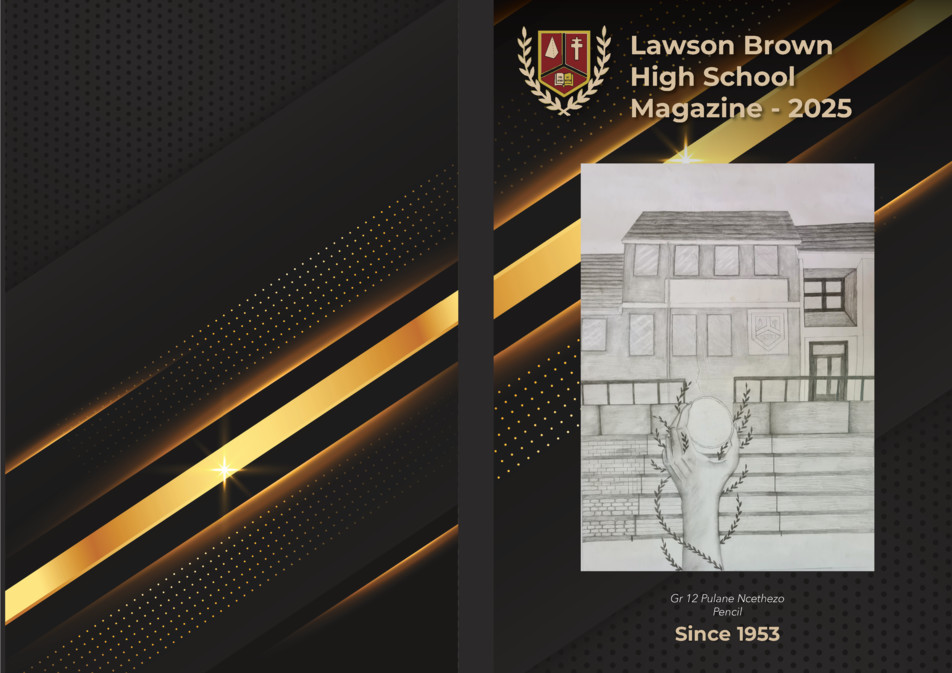
LBHS Magazine 2025: A Detailed Overview of Lawson Brown High School's Annual Publication
About Lawson
The 2025 edition of the Lawson Brown high school magazine offers a comprehensive snapshot of the school’s identity, traditions, and everyday life. It foregrounds a long-standing commitment to education that stretches back to the mid-20th century, highlighting how the school has evolved while preserving core values that guide students and staff. The issue brings together diverse elements—from leadership portraits and academic milestones to cultural activities and community events—creating a holistic portrait of what it means to be part of Lawson Brown. Readers are invited to explore how the school’s history, current programs, and future aspirations intersect to shape a vibrant learning environment. For readers seeking further information or to engage with the magazine, the contact details of Kent Cairncross are provided.
Page: 5
School Song
The magazine includes a feature on the school song, underscoring its role as a unifying anthem that binds students, staff, and alumni. Such a song often serves as a mnemonic for shared values and a sense of belonging, especially during assemblies, performances, and major events. Through this section, the publication emphasizes how tradition complements contemporary school life, offering a musical reminder of the community’s pride and spirit.
Page: Not specified
From the Principal’s Desk
A centerpiece of the issue is the message from the principal, which reflects on the year’s progress, milestones, and strategic priorities. The principal’s words typically address student growth, teaching excellence, and the school’s commitment to fostering resilience, curiosity, and responsibility. This section situates individual achievements within the broader educational mission, inviting readers to consider how Lawson Brown supports diverse talents while maintaining high standards for learning and conduct.
Page: 8
Staff Matters
The publication dedicates space to the people behind the scenes—educators, administrators, and support staff who contribute to a dynamic school environment. This portion acknowledges changes, new appointments, professional development, and the collective effort required to sustain a positive school culture. By highlighting staff matters, the magazine reinforces the idea that strong leadership and teamwork are essential to student success.
Page: Not specified
Staff Photographs
A visual gallery of faculty portraits accompanies this section, offering readers a chance to put faces to the names that guide classes, mentor clubs, and supervise activities. The photographs capture the diversity and dedication of Lawson Brown’s teaching staff, illustrating the personal connections that underpin the school’s academic programs.
Page: Not specified
Prefect Group Photographs
Student leadership is showcased through the prefect group photographs, spotlighting those entrusted with responsibilities across a range of school activities. This segment recognizes the role of prefects in representing student voices, organizing events, and modeling leadership for their peers throughout the year.
Page: Not specified
Prefects Report
The prefects’ report offers reflections on leadership initiatives, school-wide campaigns, and collaborative projects undertaken during the year. It highlights the impact of student-led programs on school life, while also presenting goals for future months and opportunities for broader student involvement.
Page: Not specified
Matric Group Photograph
The matric group photograph marks the cohort of Grade 12 learners—the final-year class for whom the magazine often serves as a keepsake. This section blends a visual memory with notes about the year’s milestones, celebrations, and the transition toward graduation.
Page: Not specified
Message from the Grade 12 Head
Leadership voices from the Grade 12 head contribute a personal perspective on the school year, sharing experiences, challenges, and aspirations. This message provides insight into the senior year’s priorities—from academic preparation to community involvement and social responsibilities—while offering encouragement to younger students.
Page: Not specified
Matric Farewell
A dedicated farewell section captures the departure rituals, memories, and gratitude of the matric class. Through photographs and narrative notes, readers glimpse the sense of closure and achievement that accompanies the transition from high school to the next life stage.
Page: Not specified
Valedictory
The valedictory feature gathers reflections from graduates, teachers, and mentors as they look back on their Lawson Brown journey and ahead to future chapters. This closing chapter of the matric year emphasizes gratitude, growth, and the enduring bonds formed within the school community.
Page: Not specified
Grade 12 Art
Art students in Grade 12 are celebrated through a dedicated section that showcases their creative work, processes, and creative development. The page highlights the role of visual arts in enriching the curriculum, encouraging experimentation, and expressing personal interpretation in ways that complement academic studies.
Page: 32
Grade 12 Base Class Photographs
The base-class photographs for Grade 12 capture the unity and character of the final-year cohort as they stand together during a pivotal year. These images serve as a visual record of camaraderie, growth, and shared experiences that define senior students’ school life.
Page: 34
Astras of Lawson Brown: Base Class Photographs (Grades 8 to 11)
This section presents a broader gallery of base-class photographs spanning Grades 8 through 11, offering a comprehensive view of the younger cohorts as they progress through the school. The images document friendships, milestones, and the vibrant energy that characterizes Lawson Brown’s community across multiple grades.
Page: 46
Enrichment, Cultural Activities and Societies
Lawson Brown’s enrichment programs and cultural activities play a central role in developing well-rounded learners. The magazine highlights a spectrum of pursuits beyond traditional academics, including language competitions, public speaking, debating, music, and photography, all of which contribute to personal growth, teamwork, and intellectual curiosity. Readers get a sense of how these activities complement classroom learning by building confidence, creativity, and communication skills.
Page: Not specified
Sanlam WOW Spelling Festival
Participation in spelling and language competitions reflects the school’s emphasis on literacy excellence and verbal clarity. The Sanlam WOW Spelling Festival showcases students’ command of language, vocabulary, and public articulation, reinforcing the importance of strong communication in academic and future career contexts.
Page: 68
De Beers English Olympiad
The De Beers English Olympiad section celebrates students who excel in linguistic reasoning, literary analysis, and structured articulation. It highlights preparation, competition experience, and the sense of achievement that comes from tackling challenging academic problems in English studies.
Page: 70
AKTV
AKTV coverage underscores the school’s engagement with media production, broadcasting, and creative storytelling. This segment emphasizes practical communication skills, teamwork, and the application of theory to real-world media projects, while offering a glimpse into student-led productions.
Page: 71
Debating
Debating is presented as a cornerstone of critical thinking, persuasive speaking, and respectful argument. Through this section, the magazine highlights students’ participation in debates, preparation routines, and the value of articulate, evidence-based discourse in intellectual development.
Page: 73
Toastmasters
Toastmasters’ presence in the magazine reflects a structured approach to public speaking, leadership, and personal confidence. The section likely features club activities, speech preparation, and opportunities for students to refine their oratory and presentation skills in a supportive environment.
Page: 77
Public Speaking
Public speaking profiles showcase individual or team contributions to school events, competitions, and class presentations. This segment emphasizes clarity, engagement, and the art of conveying ideas effectively to varied audiences.
Page: 78
The Herald Isuzu Schools Quiz
The Schools Quiz feature highlights teams and individuals who tested their knowledge across a range of subjects in a competitive quiz format. The section celebrates quick thinking, teamwork, and a broad base of general knowledge that reflects the school’s academic breadth.
Page: 82
Quiz League
Quiz League coverage spotlights ongoing competition involvement, team strategy, and the pursuit of intellectual agility. It emphasizes persistent study habits, collaboration, and the joy of learning through rapid-fire questions and problem solving.
Page: 84
Natural Science and Life Science Olympiad
This section recognizes students who excel in scientific reasoning and problem-solving within natural and life sciences. It highlights the interdisciplinary approach to science education and the discipline required to perform well in competitive environments.
Page: Not specified
Enviro Club
The Enviro Club section emphasizes environmental awareness, sustainability projects, and service-minded initiatives. It illustrates how student groups contribute to responsible stewardship, practical conservation, and community education about ecological issues.
Page: Not specified
Robotics
Robotics activities underscore hands-on technology, engineering concepts, and collaborative problem solving. The magazine showcases projects, competitions, and the growing interest in robotics as a bridge between science, mathematics, and creative design.
Page: Not specified
Coding Club
Coding Club highlights students’ explorations in programming, software development, and computational thinking. The section demonstrates how coding fosters logical thinking, teamwork, and the ability to translate ideas into functional digital solutions.
Page: 90
First Aid
First Aid coverage reflects preparedness, student leadership, and community service. It showcases training initiatives, safety awareness, and the practical skills students gain to support peers and events.
Page: 91
Blood Drive
The Blood Drive section points to health outreach and civic responsibility, illustrating how students contribute to broader community needs through organized volunteering and service activities.
Page: 92
JSE Investment Challenge
The JSE Investment Challenge highlights financial literacy, market awareness, and strategic thinking. The magazine likely features participation details, outcomes, and the educational value of real-world economic concepts in a school setting.
Page: 94
Accounting and Business Olympiad
This section celebrates students’ proficiency in accounting, business theory, and analytical reasoning. It reflects the school’s support for competitive academic excellence in business disciplines and the experience of preparing for high-level assessments.
Page: 95
Music Department
The Music Department feature showcases ensembles, performances, and the creative disciplines that enrich the school’s cultural life. It highlights musical talent, practice routines, and opportunities for students to explore rhythm, melody, and collaboration on stage.
Page: 105
TADA Committee
The TADA Committee section lifts student leadership and governance initiatives, illustrating how learners shape school culture through student-driven decision-making, projects, and events.
Page: 107
Junior City Council
The Junior City Council page highlights civic engagement and opportunities for students to participate in local governance simulations, leadership development, and community involvement—experiences that foster public responsibility and teamwork.
Page: 107
Representative Council of Learners
The Representative Council of Learners (RCL) section emphasizes student voice, participation in school governance, and the channels through which learners advocate for concerns and ideas across the school community.
Page: 111
Student Christian Association
Faith-centered student groups are represented here, focusing on values, service, and fellowship. The section highlights spiritual life, service projects, and inclusive activities that bring students together beyond academics.
Page: 113
LTSM
LTSM (Lefible Teaching and Student Materials) coverage points to the resources and logistical backbone that support teaching and learning. It reflects how material support, access to resources, and inventories contribute to a productive classroom environment.
Page: 113
School Shop
The School Shop feature reviews practical aspects of student life, including access to uniforms, equipment, and supplies that help students participate fully in academics, sports, and extracurriculars.
Page: 115
History Society
The History Society section celebrates historical inquiry, debates, field trips, and projects that bring past events to life. It showcases student curiosity about heritage, cultures, and the lessons learned from history.
Page: 116
Art Club
Art Club activities are highlighted here, highlighting creative exploration, collaboration, and opportunities to display student artwork. The section underscores how visual arts complement other subjects and encourage personal expression.
Page: 119
Library
The Library feature emphasizes literacy, research, reading initiatives, and spaces that support inquiry. It reflects the central role of libraries as hubs for study, collaboration, and lifelong learning.
Page: 119
Grade 10 Art
Grade 10 Art continues the visual arts narrative with a focus on projects, techniques, and artistic development specific to this year’s cohort. It illustrates how students progress creatively and conceptually through the curriculum.
Page: 120
Grade 11 Art
Proceeding from Grade 10, Grade 11 Art highlights more advanced approaches to art making, personal style, and portfolio development. The section showcases students’ evolving abilities and their readying for Grade 12 art studies.
Page: 121
Grade 12 Art
A dedicated showcase of Grade 12 Art emphasizes culmination, reflection, and expressive achievement as students prepare for final exhibitions and portfolios. The focus is on mastery, personal voice, and the interface between theory and practice in visual arts.
Page: 32
Sports Overview and Camp Highlights
In addition to academic and cultural features, the magazine presents a wide range of sports, from team-based disciplines like soccer, netball, and rugby to individual pursuits such as cross country, athletics, and chess. The edition also captures memorable moments from the Grade 8 Camp and other interscholastic activities, illustrating how athletic participation complements academic life and fosters teamwork, resilience, and school spirit.
Page: Not specified
Awards and Recognitions
A final segment is devoted to accolades received during the year, celebrating the achievements of students across various programs, clubs, and competitions. This page serves as a tribute to dedication, effort, and the pursuit of excellence within the Lawson Brown community.
Page: 143
Closing Notes and Publication Details
The magazine closes with acknowledgments, publishing credits, and practical information about how to explore the content further. Readers can access more about the publication format, contact information, and additional resources if they wish to revisit specific features or share feedback with the editors.
Page: Not specified