Jesus Christ is the Eternal King
Jesus Christ is the Eternal King
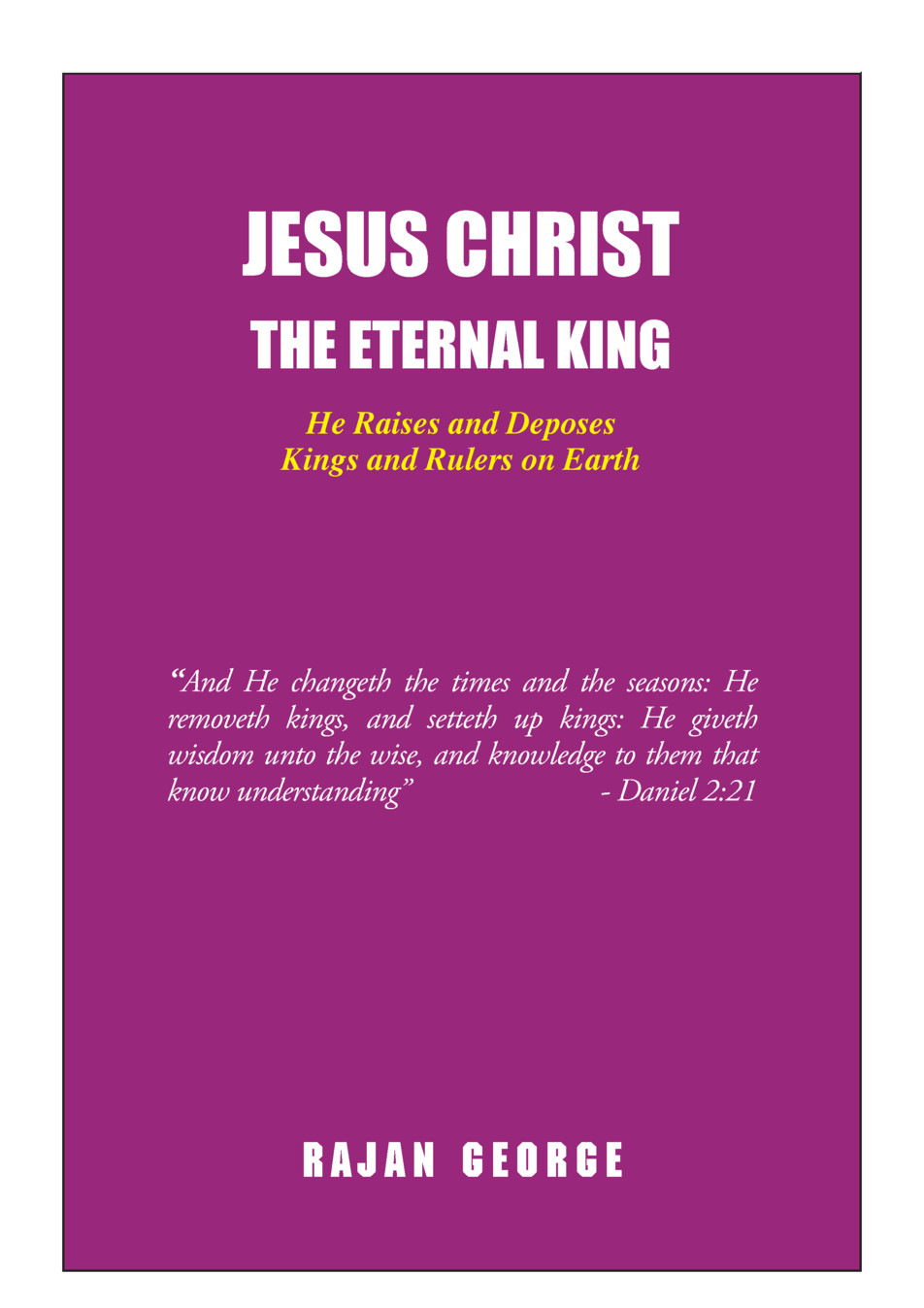
Jesus Is King: Divine Sovereignty over Kings and the Fate of Tyrants — A Biblical Reflection on Human Limitation and God’s Ultimate Authority
Overview
The core message presented is that Jesus holds an eternal, sovereign reign and that God alone governs the rise and fall of earthly rulers. Human power is transient and limited; life, wisdom, and even the ability to extend one's days do not belong to people apart from God’s design. This perspective sets the framework for examining figures who boasted in their own authority and the divine response to such defiance, underscoring that no ruler can escape the boundaries set by the Creator. The text invites readers to recognize the narrow margin within which human greatness operates and to anchor their confidence in a divine source that ultimately governs all history. (Page N/A)
Throughout, the argument emphasizes that political authority rests in God’s hands, who controls the course of events and assigns leadership as He wills. The narrative cautions against boasting in human accomplishment, reminding readers that the true measure of power belongs to the One who sustains life and history. This opening premise grounds the subsequent reflections on specific rulers who encountered the limits of their sovereignty when confronted with divine sovereignty. (Page N/A)
The study proceeds to identify several rulers whose ambitions exceeded their rightful place, illustrating a recurring pattern: when leaders attempt to supplant or disregard God’s rightful authority, their authority is exposed as fragile and contingent. The emphasis is not only on their political decisions but also on the spiritual posture that either honors or rejects the God of Israel. (Page N/A)
Case Study: Sennacherib and the Assyrian Crisis
The narrative introduces Sennacherib, the mighty king of Assyria, as a paradigmatic tyrant who believed he stood as the ultimate power above all. His campaigns and boasts exemplified a human tendency to trust in military prowess and foreign alliances rather than submission to the God who governs nations. Yet his arrogance confronted an invisible, sovereign power that uses even hostile actors to accomplish divine purposes. (Page N/A)
As history recounts, Sennacherib’s challenge to Jerusalem provoked a decisive divine intervention. The account frames his role as a tool in God’s hand—an instrument meant to discipline Israel for spiritual infidelity—while also showing that such use of a nation does not excuse bold defiance against the Creator. The key takeaway is that human strength cannot overturn God’s plans or bypass the moral order He ordains for the world. (Page N/A)
Hezekiah, the king of Judah, responds with a model act of humility and dependence. Faced with overwhelming danger, he adopts the ancient practice of turning to God in prayer, seeking prophetic counsel, and recognizing that deliverance rests not in military might but in divine intervention. The prophet’s assurance confirms that God hears the cries of His people and acts to preserve His name and the integrity of His promises. (Page N/A)
The narrative then describes a dramatic, providential deliverance: an angelic intervention that leads to a night of decisive defeat for the Assyrian host. The sudden change in fortune defeats Sennacherib’s sense of invincibility and marks the collapse of his campaign astride a divine timetable. The king’s downfall illustrates that even the most formidable empire cannot endure when aligned against the purposes of God. (Page N/A)
Following these events, Sennacherib’s death is presented as a consequence of his arrogance and his failure to recognize the ultimate source of power. The reversal of fortune serves as a stark reminder that the hammer cannot boast against the one who wields it. The broader message is that pride before God invites swift, decisive judgment, while fidelity to divine sovereignty yields preservation and correction within human history. (Page N/A)
In this section, the text emphasizes that the fate of kings who defy God’s authority is not merely a political change but a theological declaration: power is granted by God and can be withdrawn by Him at any moment. The portrayal of Sennacherib thus reinforces the central claim that God’s sovereignty supersedes even the grandest human empires, and that the divine prerogative to judge remains in effect across time. (Page N/A)
Case Study: Jeroboam and the Division of the Kingdom
The discussion then turns to Jeroboam, whom God anointed to lead a divided Israel after Solomon’s era. This appointment underscores a divine prerogative to establish leaders even when the political landscape demands upheaval. However, Jeroboam’s response to power reveals a perilous deviation: instead of relying on the worship of the God who had called him, he introduced rival religious practices and idols designed to secure his political grip. This act of religious innovation constitutes a direct challenge to the God who set him in place and who had promised continuity to the Davidic line. (Page N/A)
Prophetic admonition comes early in Jeroboam’s career, warning that the king’s failure to walk in God’s ways will bring severe consequences upon his house and kingdom. The prophecy foresees a future in which Jeroboam’s lineage would be diminished and eventually eliminated, illustrating the seriousness of divine judgment against leaders who substitute loyalty to God with invented cults and self-serving governance. (Page N/A)
The fulfillment of the prophecy is traced in the historical record: Jeroboam’s dynasty experiences a downfall shaped by internal strife and external coercion that demonstrates the impermanence of political power when it deviates from divine will. The text uses this account to reinforce a perennial warning: true authority is not established by rebellion against God but by conformity to His purposes, even if that conformity entails significant upheaval in political structures. (Page N/A)
Jeroboam’s story stands as a microcosm of a broader pattern—leaders who try to fashion alternative forms of worship or political authority apart from God invite divine correction. The narrative treats this as a warning against spiritual arrogance and a reminder that political success without theological fidelity is ultimately unstable and unsustainable. (Page N/A)
Case Study: Ben-Hadad, Hazael, and the Future Destiny of Assyria
The text continues with the account of Ben-Hadad, king of Aram (Syria), whose illness prompts inquiry about Elisha’s prophetic counsel. The prophet’s response to the king’s inquiries becomes layered: while Ben-Hadad seeks healing, Elisha reveals a forthcoming reign by Hazael and the future harm that will befall the Israelites under such leadership. This exchange highlights a divinely ordained sequence in which human plans intersect with prophetic revelation, and where the end of one ruler presages the ascent of another. (Page N/A)
The unfolding prophecy regarding Hazael signals a shift in power, one that will bring both political and moral consequences for Israel. The dialogue emphasizes that God not only appoints rulers but also foresees the ramifications of their actions, including the potential cruelty that power can unleash when entrusted to the wrong hands. The narrative thus invites readers to consider the responsibilities that accompany sovereignty and the peril of abusing authority for personal gain. (Page N/A)
As the historical thread develops, Hazael’s accession to the throne is framed within a larger biblical argument about divine sovereignty over nations. The account illustrates how prophetic insight can reveal in advance the transformation of leadership and the ensuing impact on people who are governed. The overarching lesson remains consistent: rulers hold power at the pleasure of the divine will, and deviations from fidelity to God invite judgment and upheaval. (Page N/A)
In this portion of the discussion, the emphasis remains on the themes of divine oversight, the human propensity to misuse power, and the consequences that follow when kings pursue self-directed agendas. The example of Ben-Hadad’s illness and Hazael’s rise reinforces the broader claim that history unfolds under God’s governance, and that human rulers are accountable to a higher moral order. (Page N/A)
Conclusion: The Consistent Message of Divine Sovereignty
Across these case studies, the text reiterates a persistent biblical claim: God places rulers and removes them according to His purpose, and human beings—no matter how powerful—are subject to divine correction. The pattern of rulers who defy the divine source of authority ends in recognition of their own fragility and a judgment that can reach even their descendants. This conclusion invites readers to humility, to depend on God rather than the shifting sands of political fortune, and to interpret history through the lens of divine sovereignty that governs both times and seasons. (Page N/A)
Ultimately, the account serves as a call to trust in the eternal King—Jesus—who transcends earthly empires and whose authority remains unchallenged. It invites reflection on how leadership should be exercised: with reverence toward the God who appoints, disciplines, and vindicates, and with restraint from pride that believes one’s power is self-originated. The moral arc of these narratives is clear: those who oppose God’s order invite ruin, while fidelity to divine sovereignty yields stability, even in the face of formidable kingdoms. (Page N/A)