HLA Prospectus
HLA Prospectus
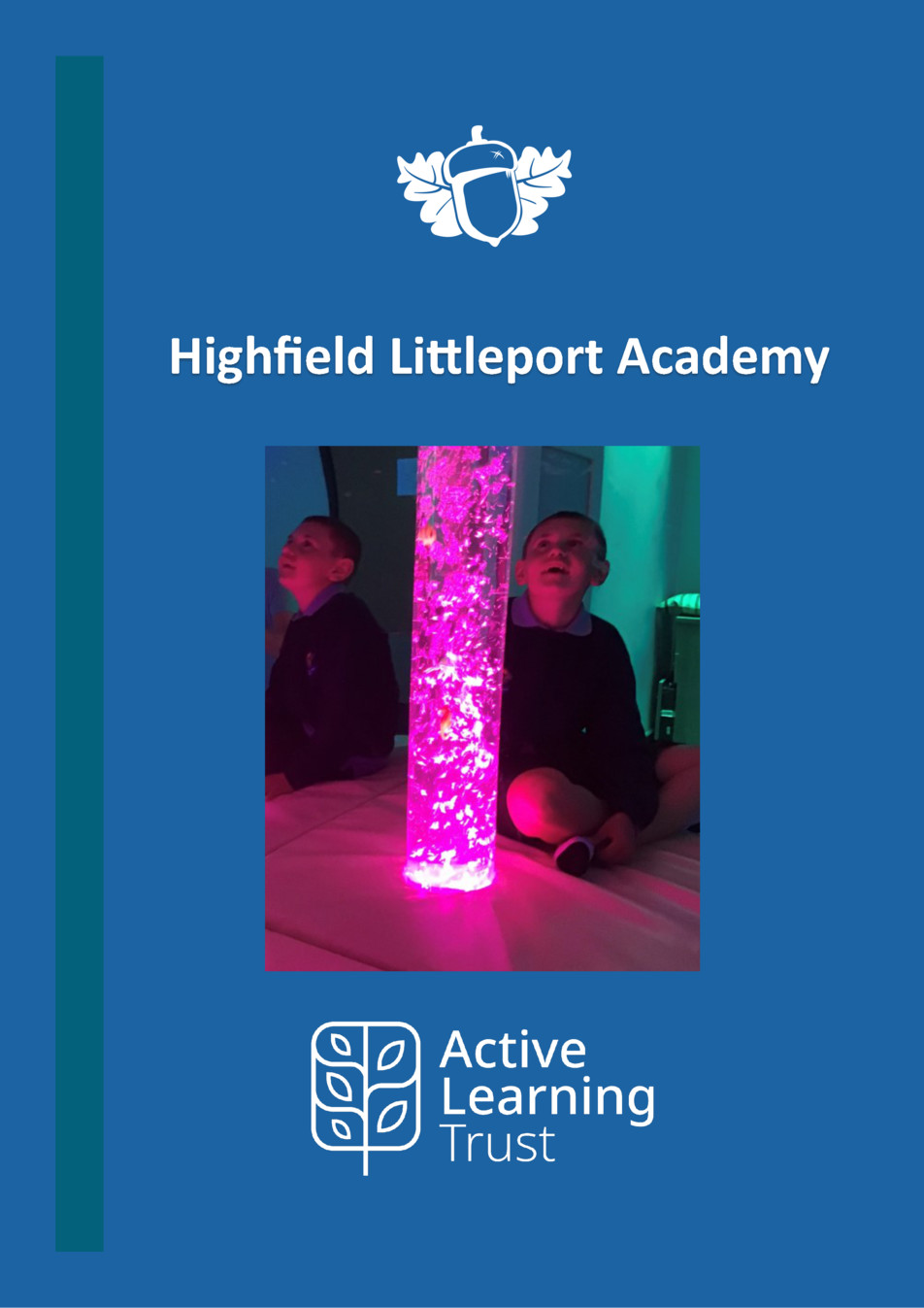
Highfield Littleport Academy – Prospectus Summary
Overview and Core Values
Highfield Littleport Academy places each pupil at the heart of its work, recognizing every child as a unique individual and aiming to secure the best possible outcomes for all. The school emphasizes celebrating progress and cultivating a genuine passion for learning and active participation, with British values taught explicitly and demonstrated by every staff member throughout the day. It operates as a dynamic, pupil-centred learning community where students are central to all decisions and activities. Located in Cambridgeshire within the area special schools network, the campus offers access to local facilities such as the nearby church, a co-located sports centre, and The Hive Leisure Centre in Ely. The roll sits around 144 learners, spanning from Early Years to Adulthood, with age designation of 2–19 years though not all students remain within that range. The facilities include dedicated spaces for dining, gym, technology, science, hydrotherapy, drama/music, multi-sensory learning, and soft play, plus therapy suites for visiting professionals. The school operates two minibuses to support excursions and work-related placements, broadening opportunities to visit pools, stables, FE colleges, and more. Page: N/A
Curriculum and Pathways
The curriculum is organized into color-coded Pathways—Blue, Purple, Yellow, Green—and an Orange phase for Early Years. Pupils are grouped by Pathway to tailor teaching to their needs, with consideration given to broad age and peer group placement. This structure ensures that each learner can make meaningful progress according to development level and individual abilities. The Blue Pathway targets learners with complex needs, often involving profound and multiple learning challenges as well as physical or sensory considerations, focusing on engagement and the retention of skills. Yellow Pathway students follow a more traditional, broad curriculum designed to instill a love of learning, including core subjects and preparation for adulthood. Green Pathway supports severe learning difficulties with a foundational approach and strong behavioral and communication support, embedding lifelong preparation into the curriculum. Purple Pathway provides a semiformal program emphasizing problem-solving and independence, with some subject-specific study and ongoing development of communication. The school aspires for all learners to leave with a qualification or accreditation that recognises their learning. Further details about the content of the curriculum are available on the school website, and staff including the Assistant Head for Curriculum or department leaders are available to discuss individual needs. Page: N/A
Assessment on entry is conducted informally during the initial weeks to establish a baseline, with progress tracked from that point. Pathway-specific assessments focus on EHCP outcomes for Blue learners and include additional curriculum targets for Purple and Yellow learners, while Green and Blue pathways are observed across five areas of engagement to monitor development. Annual EHCP reviews involve collaboration among parents, learners, teachers, and other professionals to set priorities for the coming year. Homework and marking practices are flexible, with Yellow Pathway learners receiving a light amount of homework and teachers choosing the feedback approach that best suits their students, often prioritizing verbal feedback over written comments for greater meaning. Page: N/A
Details about the curriculum map, ongoing assessment, and reporting arrangements are supported by Evidence for Learning, a real-time progress-sharing tool that parents can access once registered, with notifications whenever new evidence is added by teachers. Page: N/A
In addition to formal assessment, staff aim to communicate regularly with families about progress and next steps, reinforcing a collaborative approach to a student’s education. Page: N/A
The School Day and Daily Routines
The school day begins at 9:00 and concludes at 3:15, with the school opening slightly earlier at 8:45. The midday break runs from 12:00 to 1:15, and lunch sittings are staggered to accommodate different groups, with morning and afternoon breaks lasting around 20 minutes. This structure supports a predictable routine and smooth transitions between activities. Page: N/A
School Meals and Nutrition
Meals are provided by Edwards and Blake, offering nutritious options that are prepared daily. Pupils can choose a school dinner or bring a packed lunch, with space provided for refrigeration in classrooms where needed. Menus are published on the school website, and there is flexibility for children who may eat school meals on some days while bringing lunch on others. For pupils with allergies or dietary restrictions, families should complete the relevant form to arrange suitable meals. Page: N/A
The school emphasises healthy eating and asks families to keep snacks and packed lunches as nutritious as possible, while maintaining a nut-free policy to protect those with allergies. Free school meals eligibility can be checked via the Cambridgeshire County Council website. Page: N/A
Transport and Accessibility
Many pupils are transported to and from school by taxis or minibuses. Depending on distance and proximity to the nearest specialist school, some families may not qualify for provision, and further information can be found on the County Council site under school transport for pre-16 children with special needs. The school encourages planning for contingencies in case of early pickups or emergencies, ensuring safeguarding and continuity of care. Page: N/A
Admissions and Placement Process
Highfield Littleport Academy serves pupils with complex needs, primarily SLD (Severe Learning Difficulties) or PMLD (Profound and Multiple Learning Disabilities). Admissions are coordinated with Local Authorities rather than offered directly by the school. Placement requests must be approved by the Local Authority Placement and Provision Panel, after which formal paperwork is submitted via the Statutory Assessment and Resources Team (SAT). The school can collaborate with different Local Authorities even though it is based in Cambridgeshire. Criteria for placements include an EHCP demonstrating significant attainment delays and complex needs, available resources to meet those needs, parental consent to the school’s policies and ethos, and the placement being appropriate and nearest to the pupil’s home. Access to the pupil’s medical, academic, and social records may be requested to ensure suitability for the individual and for the school community. Page: N/A
The SAT Team can be contacted at 01480 372600 or start@cambridgeshire.gov.uk for further guidance, and additional information about admissions can be explored through Cambridgeshire County Council’s admissions resources. Page: N/A